As temperatures drop and the cooling season fades, many homeowners start thinking about how to protect their outdoor air conditioning equipment. One of the most common questions we hear is simple on the surface but layered in practice. Should an outdoor AC unit be covered during the off-season, or does that cause more harm than good?
The answer depends on several factors tied to climate, weather patterns, equipment type, and how your full heating and cooling setup works together. Understanding how an air conditioning system responds to winter conditions can help you make a decision that supports energy use, efficiency, and long-term performance.
How Outdoor AC Units Are Designed to Handle Weather
Outdoor AC units are built with durability in mind. The condenser is constructed to sit outside year-round and withstand rain, wind, snow, and temperature swings. Manufacturers account for moisture exposure, airflow needs, and temperature changes during normal operation and extended downtime.
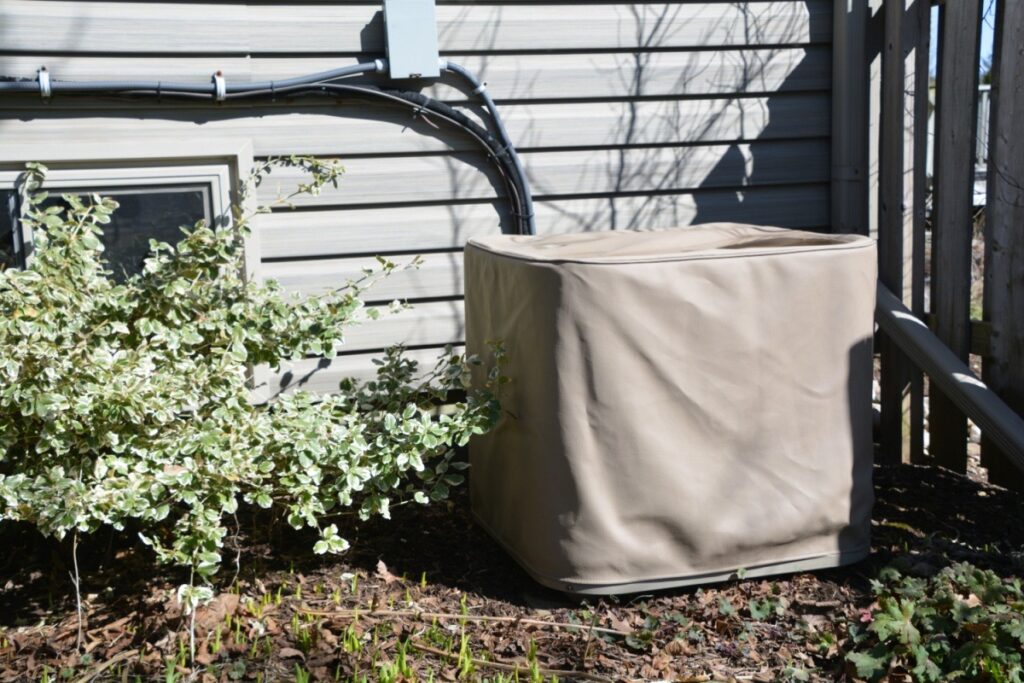
That said, no piece of mechanical equipment is immune to environmental stress. Snow buildup, falling debris, freezing rain, and repeated thaw cycles can all affect components over time. This is where the conversation around an outdoor AC cover often begins. Covering an outdoor unit can block direct exposure to snow and ice, but it can also introduce other concerns tied to moisture retention, restricted airflow, and pest activity.
The Potential Benefits of Using an Outdoor AC Unit Cover
There are situations where an outdoor AC unit cover can be helpful, especially when used correctly and during specific conditions. Some potential advantages include:
- Reduced contact with falling leaves, branches, and debris that can settle inside the condenser
- Protection from heavy snow accumulation that adds weight and stress to exterior panels
- Limited exposure to freezing rain, which could lead to surface rust over time
In regions with frequent winter storms or high wind activity, partial coverage on the top of the unit may reduce wear without trapping moisture around sensitive components like the pump or refrigerant lines.
The Hidden Risks of Covering Your AC Unit Improperly
Full air conditioning covers for outdoor units are often marketed as a simple solution, but improper use can create problems that outweigh the benefits.
Moisture and Airflow Concerns
A tightly wrapped AC unit cover can trap moisture inside the cabinet. When airflow is restricted, condensation has nowhere to escape. Over time, this can contribute to rust, corrosion, or mold growth on internal surfaces.
Humidity levels fluctuate during winter, especially during freeze-thaw cycles. Trapped moisture, combined with limited ventilation, creates an environment that mechanical components were not designed to withstand long-term.
Pest and Odor Issues
Covered units provide shelter for rodents and insects looking for warmth. Nesting inside the condenser can damage wiring and insulation, increase the risk of electrical issues, and cause unpleasant odors when spring arrives.
This kind of damage often goes unnoticed until the cooling system is started again, which can impact efficiency and airflow at the worst possible time.
Heat Pumps Require a Different Approach
Homes that use a heat pump need to take extra care. Unlike standard AC systems, a heat pump operates year-round and serves both cooling and heating. Covering a heat pump during winter can block airflow and reduce its ability to extract heat from outdoor air.
If your home relies on a heat pump for heating, covering the unit can disrupt performance, increase electricity use, and reduce indoor comfort. In these cases, an outdoor cover is not recommended.
How AC Covers Relate to the Rest of Your HVAC System
An air conditioning system does not operate in isolation. It works alongside the furnace, thermostat, ductwork, and air filter to manage comfort and indoor air quality.
When spring arrives, a covered unit that has trapped moisture or debris may struggle to start cleanly. This can strain components, reduce efficiency, and affect airflow throughout the home. Problems with the outdoor unit can also affect how well your thermostat regulates temperature and how evenly air is circulated indoors. A smart thermostat can help manage energy use during seasonal transitions, but it cannot compensate for mechanical issues caused by improper off-season protection.
Maintenance Matters More Than Covers
Routine maintenance plays a larger role in long-term performance than any outdoor covering option. Professional maintenance helps catch issues that no cover can prevent. Seasonal service includes:
- Inspecting refrigerant levels and connections
- Checking electrical components for wear or exposure
- Cleaning debris from the condenser and the surrounding area
- Evaluating airflow and system efficiency
- Looking for signs of rust, moisture damage, or early failure
This type of care supports energy savings, protects indoor air quality, and helps prevent unexpected AC repair calls when temperatures rise again.
Special Considerations for Other Cooling Equipment
Not all systems face the same risks. Different setups call for different strategies.
Mini-Split and Window Units
A mini-split outdoor cover may be appropriate in some cases, especially for wall-mounted units that are more exposed to wind and ice. These covers should allow ventilation and only protect the top portion of the unit.
A window AC cover is more common for units left installed through winter. These covers help limit cold-air infiltration and protect the unit’s interior, which can improve comfort and reduce heating costs.
Ceiling Fans and Supplemental Comfort Tools
While not directly related to outdoor equipment, tools like a ceiling fan can improve airflow and comfort during winter. Proper circulation helps distribute heat from the furnace more evenly and can reduce the frequency at which the heating system cycles on.
Energy Efficiency and Long-Term Home Improvement
Decisions about covering your AC unit tie into broader home improvement goals. Protecting equipment is important, but so is avoiding choices that reduce efficiency or increase repair risk.
A poorly ventilated cover can raise the chance of corrosion, electrical issues, or refrigerant line damage. These problems often lead to higher repair costs, increased energy use, and reduced system lifespan. Balanced decisions based on climate conditions, equipment type, and maintenance history tend to deliver better results than one-size-fits-all solutions.
When a Partial Cover Makes Sense
In some cases, a partial outside AC unit cover that protects the top of the condenser while leaving the sides open can offer a middle ground. This approach blocks falling debris and ice without trapping moisture. This option works best when paired with professional maintenance and regular visual checks throughout the off-season.
Talk With Falls Heating & Cooling About Winter HVAC Solutions
If you are unsure how to protect your outdoor unit or how it fits into your full HVAC setup, our team is here to help. Falls Heating & Cooling works with homeowners every day to evaluate real-world conditions, system types, and comfort goals.
We look at the entire picture, from air conditioning performance to furnace operation, indoor air quality, and safety concerns like a potential gas leak. Our technicians provide clear recommendations based on your equipment, your home, and your local climate.
Before winter weather arrives or as spring approaches, reach out to Falls Heating & Cooling to schedule service or ask questions about off-season care. We will help you make confident choices that support efficiency, comfort, and long-term system health.