
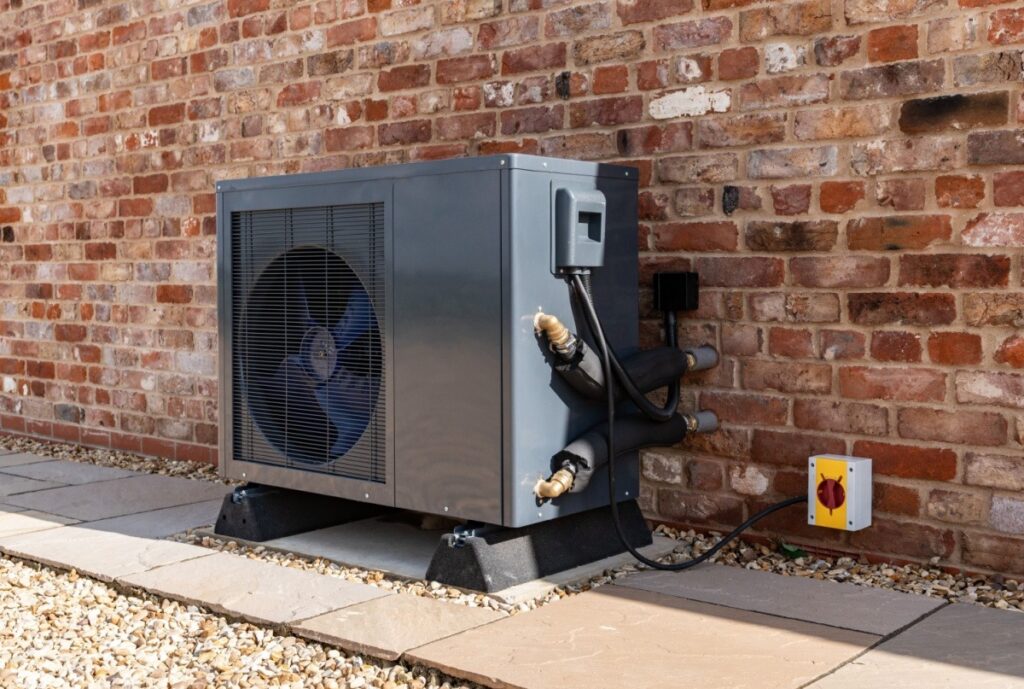
A heat pump is designed to provide year-round comfort by switching between heating and cooling as outdoor conditions change. When that system becomes stuck in one mode, it can quickly turn from a convenience into a source of frustration. Homeowners across Northeast Ohio often notice this issue during seasonal transitions, when a system fails to adjust to changing temperatures.
A heat pump stuck in heating or cooling mode is more than an inconvenience. It can affect energy use, indoor air quality, and the overall performance of your heating system. Understanding why this happens can help you recognize when professional service is needed.
How a Heat Pump Switches Between Heating and Cooling
At the heart of every heat pump is a reversing valve. This component directs refrigerant flow, allowing the system to either absorb heat from outside air or release it outdoors. When the valve fails to shift positions, the heat pump remains locked in a single mode.
The pump, compressor, electrical wiring, and thermostat all work together to support this process. A breakdown in communication between any of these parts can prevent the system from responding properly to temperature changes.
Common Reasons a Heat Pump Gets Stuck
Reversing Valve Problems
The valve is one of the most common causes of mode-related issues. Over time, internal wear, debris, or electrical failure can stop it from moving as designed. Signs of valve trouble may include:
- Warm air blowing when cooling is selected
- Cold air during heating cycles
- No change in operation when thermostat settings are adjusted
Valve issues require professional heating repair and should be handled by an experienced technician.
Thermostat and Control Issues
Your thermostat sends signals to the heat pump that tell it when to switch modes. If the thermostat is malfunctioning, incorrectly programmed, or outdated, the system may not receive the correct instructions.
A smart thermostat can improve control and energy management, but it must be properly installed and compatible with your system. Incorrect wiring or software issues can interfere with normal operation.
Refrigerant and Compressor Concerns
Low refrigerant levels or compressor problems can also prevent proper mode changes. Refrigerant pressure plays a key role in system balance, and even small leaks can affect performance.
The compressor works hard to circulate refrigerant through the system. If it struggles or intermittently shuts down, the heat pump may remain stuck in a single function.
Airflow and Indoor Comfort Factors
Restricted airflow can sometimes mimic mode-related issues. When airflow is limited, the system may struggle to regulate room temperature effectively. Common airflow problems include:
- A clogged air filter
- Blocked duct pathways
- Dirty coils that limit heat transfer
Poor airflow can also affect indoor air quality and reduce the effectiveness of added features, such as an air purifier.
Ice Buildup and Outdoor Unit Problems
During Northeast Ohio winters, ice buildup on the outdoor unit is a frequent concern. Heat pumps rely on outdoor air, even in cold conditions. Excessive ice can interfere with sensors, restrict airflow, and disrupt normal operation. While heat pumps have defrost cycles, repeated ice issues may indicate underlying problems related to maintenance frequency or airflow restrictions.
The Role of Maintenance and Troubleshooting
Routine maintenance plays a significant role in preventing mode-switching problems. During a service visit, an expert technician reviews electrical wiring, refrigerant levels, valve operation, and overall system data to identify early warning signs. Professional troubleshooting helps address:
- Electrical signal failures
- Worn mechanical components
- Control board communication issues
- Airflow imbalances
Regular maintenance also supports warranty coverage and helps reduce the need for emergency service during extreme weather.
Special Considerations for Geothermal Heat Pumps
Homes with a geothermal system face similar challenges, though the source of the issue may differ. Geothermal system repair often involves checking ground loop circulation, pump operation, and control systems. While geothermal systems are known for efficiency, they still rely on valves, compressors, and thermostats to switch modes correctly.
Energy Use and Home Improvement Impact
A heat pump stuck in one mode can quietly increase energy consumption. Running cooling during cold weather or heating during mild conditions places unnecessary strain on the system. This can affect:
- Monthly utility bills
- Long-term equipment lifespan
- Overall home improvement value
Addressing problems early helps protect your investment and supports consistent comfort throughout the home.
When to Call for Professional Help
If basic troubleshooting does not resolve the issue, professional service is the next step. Mode-switching problems rarely resolve on their own and can worsen over time. Situations that call for service include:
- No response when switching thermostat settings
- Repeated ice buildup
- Unusual noises from the compressor
- Persistent comfort issues across multiple rooms
Access to accurate information and trained technicians makes a meaningful difference in outcomes.
Schedule Service With Falls Heating & Cooling Today
If your heat pump is stuck in one mode, Falls Heating & Cooling is ready to help. Our team understands the demands of Northeast Ohio’s climate and the systems that keep homes comfortable.
We provide expert diagnostics, reliable repairs, and clear communication from start to finish. From refrigerant issues and valve repairs to thermostat concerns and emergency service needs, our technicians deliver solutions you can trust.
Reach out to Falls Heating & Cooling today to schedule service, ask about available coupon offers, or speak with an expert about your heat pump concerns. We are here to help restore comfort, protect your heating system, and keep your home running efficiently year-round.